Embarking on a property renovation in Chelsea and Kensington is a significant undertaking, especially in London’s property market. This Chelsea & Kensington Renovation Guide provides homeowners with essential information, helping you navigate the complexities of home renovation and refurbishment projects in this exclusive borough of Kensington and Chelsea. From understanding refurbishment costs for loft conversions and home extensions to securing planning permission, we cover every aspect to ensure your renovation project transforms your house into a dream home.
Why Renovate Your Chelsea and Kensington Property?
The Economic Benefits of Renovation
Investing in a renovation project can be a savvy financial move for any homeowner. With the right upgrades, a property in Kensington and Chelsea can yield significant long-term property value. High property values in Kensington and Chelsea make it economically viable to invest in existing homes rather than move. Quality refurbishments consistently deliver returns, both in lifestyle benefits and financial value when upgrading your London home.
Location Advantages
The Royal Borough of Kensington and Chelsea is synonymous with prestige, timeless elegance, and unparalleled property value. Chelsea is known for luxurious properties and historic character. These factors can influence both your design and refurbishment budget. The unique architecture in this London borough requires careful planning and consideration when undertaking external alterations or structural changes.
Enhancing Property Value
Certain refurbishment projects offer better returns on investment in London’s property market. High-ROI improvements include kitchen and bathroom upgrades, creating open-plan living spaces, adding usable square footage with a loft conversion, implementing energy efficiency improvements, and enhancing curb appeal. Modern, well-designed kitchens and bathrooms are top priorities for London buyers, contributing significantly to the property value.
Types of Property Renovation in Chelsea and Kensington

Kitchen and Bathroom Upgrades
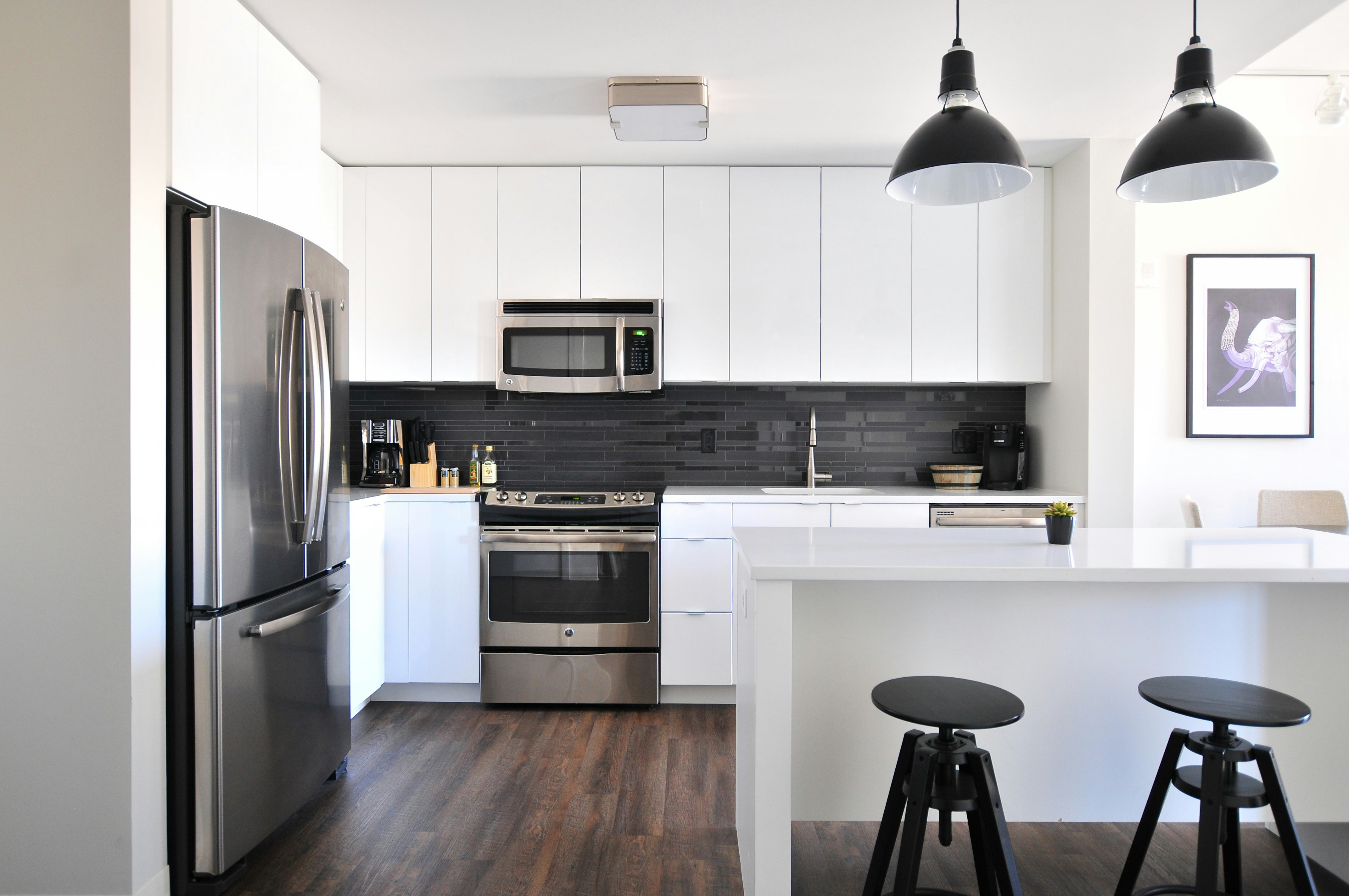
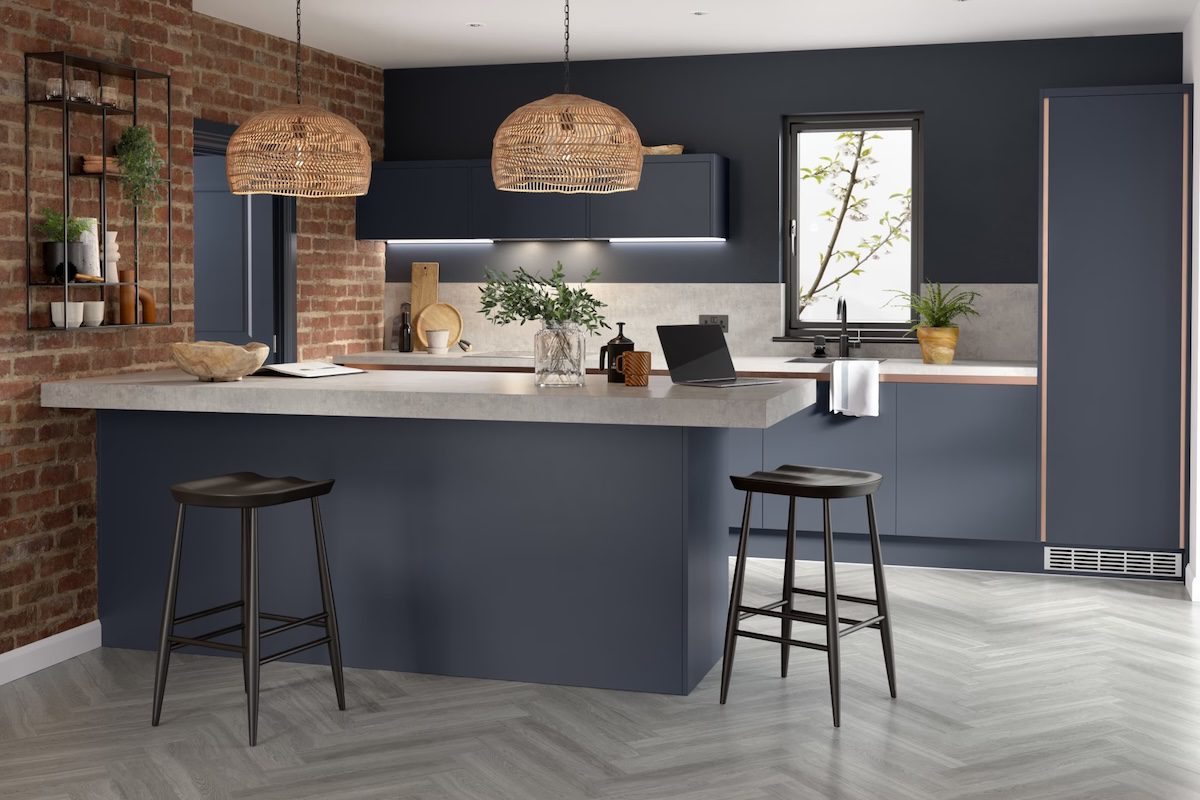
Partial refurbishments focus on specific areas, typically kitchens and bathrooms, and generally range in cost depending on the scope of the renovation. Upgrading your kitchen and bathroom can involve new cabinet fitting, plumbing installations, and choosing high-end fixtures to transform these essential spaces within your London home. The timeline for kitchen and bathroom refurbishments is generally 2-6 weeks.
Loft Conversions
Loft conversions are a fantastic way to add usable square footage to your Chelsea or Kensington property. These renovation projects can significantly increase property value and improve the layout of your London home. Loft conversions typically require planning permission, and converting a loft frequently triggers building regulations, including acoustic insulation rules. Loft conversions typically cost £25,000-£120,000 depending on the type (Velux, dormer, or mansard).
Full House Renovations
Full house refurbishments address the entire property and start from around £56,000 for a typical London 3-bedroom house with basic specifications. A full renovation without structural changes takes approximately 3-5 months. For period properties, a complete guide to the process will help navigate the unique challenges that arise. Such renovations can significantly increase property value, making it a worthwhile investment.
Refurbishment of Listed Buildings
Essential for any changes to properties with listed building status, common in many London boroughs, is Listed Building Consent. These properties require careful consideration and adherence to specific regulations, as even minor changes can impact their historic value. Any works affecting a listed structure’s character, inside or out, demand Listed Building Consent, ensuring the preservation of its unique features.
Home Extensions in Conservation Areas
Home extensions in conservation areas are a popular renovation choice in Chelsea and Kensington, though Conservation Area Consent may be needed for external alterations in designated conservation areas, which cover substantial parts of London. These areas have stricter guidelines to maintain their architectural and historical integrity, making professional guidance essential for home extensions.
Home extension advantage in a conservation area
Home extensions in conservation areas can add £100,000-£250,000 to your Central London property value while preserving its historic character. Our team has achieved a 95% planning approval rate across the conservation areas of Chelsea, Kensington, and Westminster by working closely with conservation officers from initial design through completion. We handle the entire process, including heritage-appropriate designs, planning applications, listed building consent (where required), and construction that respects original features while creating modern, functional living spaces. With over 50 conservation area extensions completed since 2015, we understand exactly what local authorities require and how to maximise your space without compromising the architectural integrity that makes Central London properties so valuable.
Understanding Renovation Costs in Chelsea and Kensington

Cost Breakdown by Project Type
A full house renovation in London starts from approximately £56,586 for basic specifications, rising to £93,868 or more for premium finishes. Kitchen Refurbishment costs range from £15,000–£30,000. Bathroom Refurbishment costs range from £6,000–£12,000. These figures highlight the variation in costs depending on the scope and quality of the refurbishment project and serve as a renovation guide when budgeting your renovation project.
Factors Affecting Renovation Costs
Home refurbishment costs in London vary widely depending on several factors, including property size, condition, location, and the quality of finishes desired. Period properties often require specialist treatments and materials, making Victorian and Edwardian homes typically cost more to refurbish than newer properties. Comprehensive refurbishments involving structural changes cost significantly more than cosmetic updates, so these should be budgeted carefully.
Hidden Costs and Budgeting Tips
Set aside 10-20% of your total budget for unexpected issues, which are common in London’s ageing housing stock and period properties. Factor in 20% VAT on labour and materials unless working with a builder who isn’t VAT-registered (rare for reputable London firms). It is always worth getting more than one quote from registered builders. Being specific helps prevent budget overruns by creating a detailed list of all anticipated works, materials, and finishes.
Planning Your Renovation Project (Chelsea & Kensington Renovation Guide)
Planning home extensions in Chelsea requires careful preparation, whether you’re adding a side return, rear extension, or multi-storey addition.
Setting Goals and Budget
Before diving into any renovation project in Chelsea or Kensington, a homeowner needs to define clear goals. Are you restoring a heritage property or designing a cutting-edge contemporary space? Create a detailed list of all anticipated works, materials, and finishes to avoid costly mid-project changes. Set a realistic budget, always leaving space for unexpected expenses that might arise during your house renovation.
Gathering Inspiration and Professional Advice
Consider working with an architect experienced in local regulations for the borough of Kensington and Chelsea, particularly if you intend to alter exteriors noticeably. Early discussions with planning officers are usually advisable. Various options are available for funding your refurbishment project, including remortgaging and home improvement loans. Consider these opportunities when organising your property refurbishment.
Creating a Renovation Timeline
A well-thought-out timeline is crucial for any renovation project in Chelsea, especially full renovation projects. Always factor in potential delays due to weather, supplier issues, or unexpected structural changes. Creating a realistic schedule will help keep your renovation on track, minimising disruptions to your daily life and avoiding prolonged labour costs. A detailed renovation guide will also help navigate the renovation stages.
Challenges Specific to Chelsea and Kensington Renovations
Navigating Conservation Areas
Certain streets in Chelsea and Kensington fall within a conservation area, meaning changes to façades, windows, or roofs might need planning permission from the council. Always check with your local council before proceeding, as regulations vary significantly between boroughs. Navigating these guidelines ensures your renovation projectrespects the area’s historical integrity and protects property value.
Working with Listed Buildings
If your property has listed building status in Chelsea or Kensington, adhere to strict regulations. Any works affecting a listed building’s structure’s character, inside or out, demand Listed Building Consent. This ensures preserving the property‘s historical features and complying with the standards set by the borough of Kensington and Chelsea during any refurbishment or home renovation.
Addressing Access and Parking Issues
Chelsea properties often have limited space for skip placement, so arranging suitable permits for on-street waste disposal can add extra administration and cost. Central London locations face logistical challenges like restricted access and parking. Addressing these issues early in the renovation project can prevent delays and additional expenses in your refurbishment endeavours.
Permissions and Regulations for Renovation Projects
Understanding Planning Permission Requirements
Planning Permission is required for major changes like extensions, loft conversions with dormer windows, or significant external alterations. Depending on your project, you may need Planning Permission, Building Regulations Approval, Listed Building Consent, Conservation Area Consent, or a Party Wall Agreement. A proper understanding of these requirements ensures compliance and avoids legal issues.
Building Regulations in Kensington and Chelsea
Building Regulations Approval is mandatory for structural changes, electrical installations, plumbing changes, and energy efficiency upgrades in Chelsea and Kensington. Big renovation jobs normally mean upgrading walls, roofs, or windows to contemporary standards. Ensure that your home renovation project adheres to these regulations to guarantee safety and compliance with borough standards.
Working with Local Authorities
Always check with the Building Regulations at your local council before starting your renovation in the borough of Kensington and Chelsea. Research your specific borough’s requirements early in the planning process to get a certificate that meets all requirements. This proactive approach prevents misunderstandings and ensures a smooth, compliant renovation project for your Chelsea property.
Planning a Chelsea home extension requires careful preparation. Consult the complete guide to property renovation in Chelsea to navigate the complexities of planning permission, conservation area restrictions, and Party Wall Act requirements.
Essential Steps for Your Chelsea Extension:
Planning Phase:
- Commission a detailed site survey and measured drawings
- Engage an architect experienced with Kensington and Chelsea borough policies
- Obtain pre-application advice from the council (highly recommended)
- Select materials sympathetic to surrounding terraces
Contractor & Compliance:
- Appoint a principal contractor with local Chelsea references
- Ensure compliance with building regulations
- Include structural calculations in all plans
- Factor in temporary accommodation if needed
Budget & Timeline:
- Build realistic programme contingencies into timeline
- Include professional fees (10-15% of project cost)
- Add VAT to all calculations
- Allow a 10-15% contingency budget to minimise cost overruns
Neighbor Relations:
- Manage party wall agreements early (8-12 weeks before work starts)
- Communicate with neighbors before construction begins
- Serve Party Wall Act notices properly
Following the complete guide to property renovation in Chelsea helps you avoid common delays and ensures your extension project runs smoothly.
Finding the Right Renovation Contractor
Qualities of a Good Contractor
When beginning a renovation project for your Chelsea property, it’s important to assess builders‘ membership in professional bodies like the Federation of Master Builders. Scrutinise their credentials, insurance, and guarantees to safeguard your property and confirm they have experience with your property type in your borough. To secure the greatest service, obtain many quotes, compare qualifications, and confirm their credentials.
Vetting and Interviewing Potential Contractors
When choosing a renovation team in Chelsea, request detailed quotations from at least three contractors to get a cost breakdown. Ask for references and visit completed projects, if possible, to check the quality of their work. Check for online reviews and check their company history to ensure they have a solid reputation in Kensington and Chelsea for high-quality refurbishment and renovation services.
Successful Collaboration with Contractors
If you divide jobs among separate teams, for your property renovation, it’s essential as a homeowner you devote time to overseeing the schedule and ensuring consistency throughout the Chelsea renovation project. Proper coordination ensures a smooth renovation, maintaining property value and compliance with building regulations, whether it’s a kitchen and bathroom refurbishment or a full renovation.
The Property Renovation Process Explained
Pre-construction Phase
Kick off your renovation project with a thorough assessment of your Chelsea property‘s current condition and your objectives, especially if you’re considering a loft conversion or external alterations. Develop detailed plans, with an architect or designer, especially for complex projects. Research and apply for the required permissions based on your project scope and property location in the borough of Kensington and Chelsea, including planning permission.
Construction Phase
The construction phase typically includes demolition/stripping out, structural changes, first-fix (electrical installations, plumbing), second-fix (fitting bathrooms, kitchens), and finishing (decoration, flooring) for your Chelsea property. This is a critical stage that dictates the entire renovation timeline, involving various builders and specialised servicessuch as EICR certificates for electrical work.
Completion and Handover
Once the renovation project wraps up on your property, receive all documentation, including warranties, certificates, and operating instructions for new installations. Identify and address any defects or incomplete items before final sign-off with your builders. This comprehensive approach guarantees your London home meets all safety standards and matches the expected high-end specifications.
Common Renovation Mistakes to Avoid
Choosing the Cheapest Quote
When considering a refurbishment in Chelsea, be wary of vague or extremely low quotations, as these are red flags. Prioritise checking their credentials and ensuring that they understand the unique challenges of working with period properties in the borough of Kensington and Chelsea. While the initial cost may be appealing, it often leads to more expenses in the long run for your home renovation.
Failing to Get Agreements in Writing
Ensure that any agreement with your builders in Chelsea is in writing. Typically, it includes everything required for the renovation itself, covering all trades and essential building materials for a full renovation of your terrace property. This approach ensures a smooth timeline and clear expectations, guarding your investment and ensuring your property value is both upheld during your renovation project.
Making Changes Midway Through the Project
Define a clear scope to avoid costly mid-project changes for your Chelsea property, be it a bathroom refurbishment or a complete overhaul. When undertaking external alterations, ensure you’ve secured all required planning permission to prevent delays and increased labour costs. A precise plan ensures efficient renovation work that aligns with your desired layout and minimises disruption during the refurbishments.
Impact of Renovation on Property Value
Return on Investment by Renovation Type
Certain refurbishment projects offer better returns on investment in the London property market. For instance, a bathroom or kitchen and bathroom upgrade typically yields a significant increase in property value. Loft conversion, aimed at creating an open-plan living space, also tends to offer a substantial return, especially in desirable locations in Chelsea or Kensington.
Market Insights for Chelsea and Kensington
The unique character of Chelsea and Kensington demands specialist services and high-end finishes from hand-crafted cabinets to intricate stonework. Given the prime location, any investment in quality fixtures or advanced systems, such as integrated home technology, can bolster overall property value. The demand for exquisite installation ensures renovations always add value.
Maintaining Your Renovated Property
First Year Maintenance Tips
After completing your Chelsea property‘s renovation, prioritise monitoring all new installations. Check for any issues with the plumbing, such as leaks. It is always worth checking for any signs of dampness, especially in basements or newly converted lofts. Regular inspections can prevent minor issues from escalating into major problems and affecting property value.
Creating an Ongoing Maintenance Schedule
Implementing a regular maintenance schedule is key to preserving the value of your Chelsea property following a refurbishment. Powerflushing and boiler servicing will ensure efficient heating and prevent costly breakdowns. Schedule annual checks to prevent minor issues from escalating into major problems, ensuring your London homeremains in top condition for years to come.
Frequently Asked Questions About Renovation
Common Queries and Concerns
Homeowners frequently ask about the need for planning permission when undertaking external alterations in a conservation area within the borough of Kensington and Chelsea. Concerns often arise regarding the cost breakdownof a full renovation and the potential for hidden expenses. In summary, proper preparation and professional advice are vital for ensuring a smooth renovation project.
Expert Answers on Renovation Processes
For most renovation projects in Chelsea and Kensington, the key is understanding building regulations. The expert advice is to always check with the local authorities, the borough of Kensington and Chelsea, before starting any structural changes. Seeking a complete guide to the process ensures your refurbishment aligns with all required standards.
Ready to Start Your Chelsea & Kensington Renovation? Use This Guide?
This Chelsea & Kensington Renovation Guide has covered everything from costs to planning permissions for home extensions, loft conversions, and complete refurbishments. Now it’s time to transform your property.
Next Steps for Homeowners
To begin your home refurbishment journey, start by defining your goals, researching local regulations, and consulting with professionals experienced in London’s property market.
Our Renovation Services Overview
We offer a comprehensive range of services, covering everything from initial design to final installation. Our team specialises in bathroom refurbishment and kitchen and bathroom upgrades. Our expertise ensures your home renovation is seamless, stress-free, and delivers exceptional results, whether it’s a modern refurbishment or a historical restoration in Chelsea or Kensington.
Contact Us for a Free Consultation
Ready to transform your Chelsea property? Contact us today for a free consultation! Let us guide you through the complexities of planning permission, building regulations, and cost management. Our expert team is here to help you create your dream home, enhancing its property value and ensuring a smooth, successful renovation project.
How do I plan a home refurbishment for a Chelsea terrace?

Planning a home refurbishment in a Chelsea terrace starts with a clear scope of work: assess structural needs, decide on removing or adding walls, and list priorities like a new kitchen or bathroom. For a comprehensive refurbishment, include considerations for utilities, smart home integrations, and any requirements, especially for listed buildings. Engage experienced builders and skilled labour early to get accurate timelines and costs, and prepare contingency for emergency issues that often arise in older terraces.
What should I know about the property market when renovating a prime London home?
Understanding the property market in Prime London and Prestigious London areas like Chelsea helps you prioritise upgrades that add value and appeal. A comprehensive guide to finishes recommends focusing on high-impact rooms, such as the kitchen or bathroom and creating a family home layout that appeals to buyers. Consider market preferences for smart home features and seamless renovation quality when budgeting timelines and costs.
Can I undertake a comprehensive refurbishment of my London home while living in it?
Yes, but it depends on the scale. A seamless renovation can be possible with phased work and clear temporary arrangements. For a full comprehensive refurbishment that involves structural changes or removing or adding rooms, it’s often safer to vacate. Coordinate with builders, skilled labour and a site manager, plan for emergency access, and use a fuse and board inspection early to avoid power interruptions during works.
How do I choose the right builders and skilled labour for renovating a Chelsea terrace?
Selecting the right builders and skilled labour requires checking portfolios of similar terrace projects, references in Prime London, and evidence of experience with listed buildings, if applicable. Ask for a detailed scope of work, proof of insurance, and a breakdown of timelines and costs. Ensure teams can deliver a seamless renovation and understand finishing standards for a dream property.
What are typical timelines and costs for renovating a family home or a London home in Chelsea?
Timelines and costs vary: minor works like kitchen or bathroom upgrades can take weeks, while a comprehensive refurbishment may take several months. Costs depend on materials, the need for specialist skilled labour, and complications found during works, especially for listed buildings which require permissions. Include contingency for emergencies and extra expenses like replacing the fuse or board, or addressing structural issues discovered during strip-out.
How do listed building restrictions affect a terrace renovation in Chelsea?
Renovating especially for listed buildings demands early consultation with local conservation officers and careful planning of the scope of work to preserve the historic fabric. You may need specialist craftsmen and approvals for any removal or addition of elements. This can extend timelines and costs, so factor these into your comprehensive guide and work closely with builders experienced in prestigious London heritage properties.
How can I create a seamless renovation that turns my property into a dream property?
To achieve a seamless renovation, invest in detailed planning, a clear scope of work, and reputable builders who coordinate skilled labour, suppliers, and trades. Prioritise quality in core areas such as the kitchen or bathroom and integrate smart home systems for long-term appeal. Regular site meetings, a robust contract, and contingency plans for emergencies will keep the project on track toward your dream property.
What practical checks should I do before starting work on my Chelsea home refurbishment?
Before starting, check the electrical fuse and consumer board, structural reports, and party wall agreements for a terrace. Confirm permissions for any removal or adding work, obtain quotes that outline timelines and costs, and ensure builders are clear on the comprehensive refurbishment scope. Prepare a shortlist of skilled labour for specialist tasks and include smart home considerations in your comprehensive guide to managing the project.